
Investor
Utah Water Rights When Buying Rural Land in Tooele County
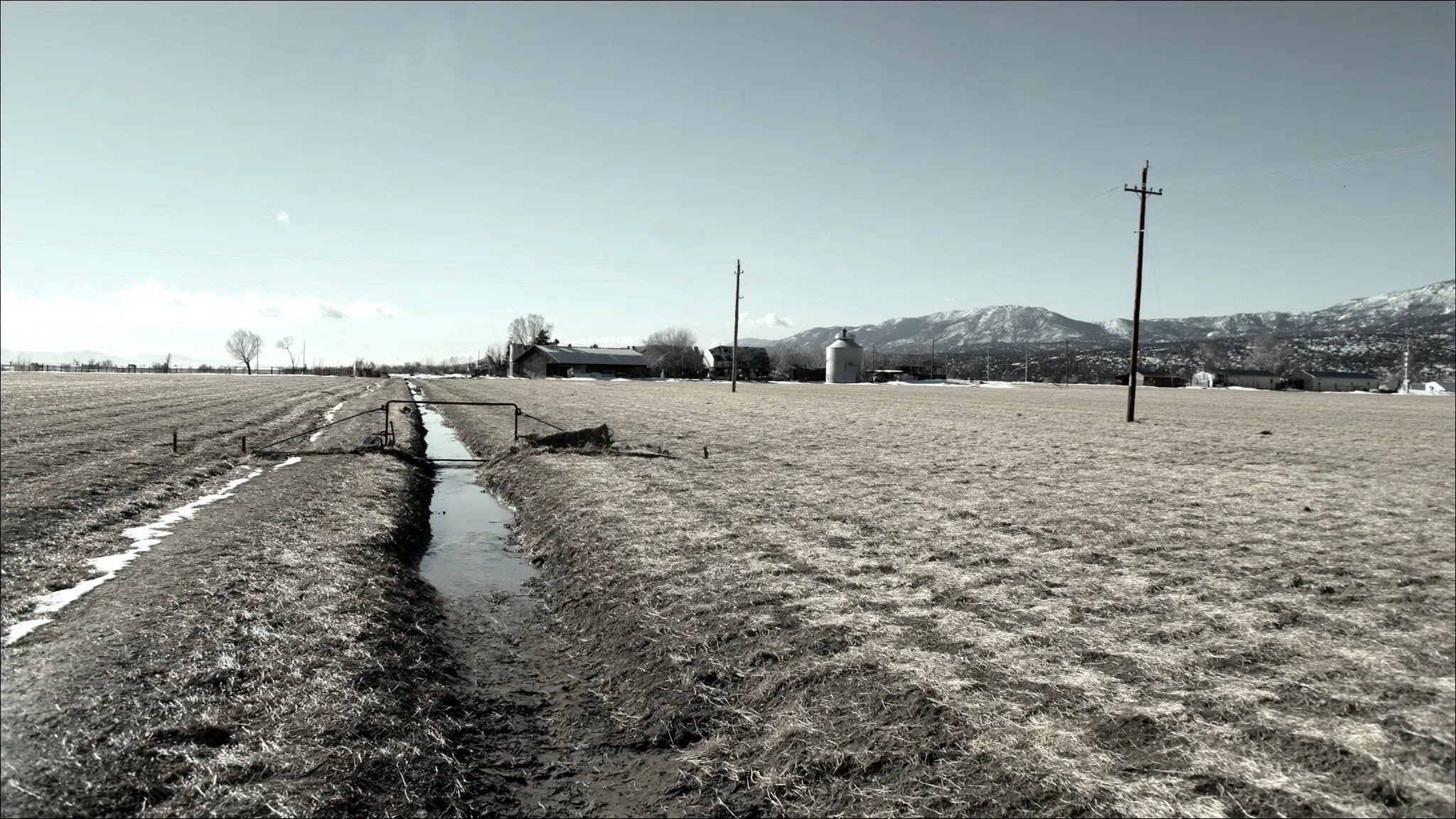
Water rights in Utah are separate property from land ownership and operate under the doctrine of prior appropriation (“first in time, first in right”). Most Tooele County rural parcels do not have water rights attached, which limits development options significantly. For buyers considering Tooele County land for homes, agriculture, or development, verifying water rights through the Utah Division of Water Rights database is non-negotiable — it’s the single most important step in due diligence.
What Utah water rights actually are
Under Utah law, water rights are:
- Separate from land — they can be sold or transferred independently
- Property rights — protected by Utah Constitution and statute
- Quantified — measured in acre-feet per year (1 acre-foot = ~325,000 gallons)
- Date-stamped — older (senior) rights take priority over newer (junior) rights in shortage
- Use-specific — designated for culinary, irrigation, stock watering, industrial, etc.
A property might have:
- No water rights — common for many Tooele County parcels
- Stock watering rights — for livestock, limited use
- Irrigation rights — for agricultural production
- Culinary water rights — for drinking/household use
- Combined rights — multiple use types
Why this matters for buyers
Without water rights, you cannot legally:
- Drill a well for household use
- Use water from any source for irrigation
- Develop the land for residential use requiring water
- Provide water for livestock at scale
A Tooele County parcel without water rights and without access to a municipal culinary water system is buildable only with extraordinary measures (water trucking, cistern systems with imported water) that most buyers don’t pursue.
How to verify water rights
Step 1: Get the parcel’s APN (Assessor Parcel Number)
From the listing or Tooele County Assessor’s office.
Step 2: Search the Utah Water Rights database
The Utah Division of Water Rights maintains a public database at waterrights.utah.gov. Search by:
- Owner name
- Water right number
- Township/Range/Section coordinates
- Map-based parcel lookup
Step 3: Verify what shows up
Confirm:
- Water right exists for the parcel
- Type of use authorized (culinary, irrigation, stock, etc.)
- Quantity in acre-feet
- Priority date (older = better)
- Point of diversion (where water is taken — well, stream, ditch)
- Place of use (where water can be used — must align with parcel)
Step 4: Verify ownership transfer history
Water rights can be sold separately from land. The current land owner may have sold the water rights to another party even while retaining the land. Verify the rights still attach to the parcel.
Step 5: Check for current beneficial use
Utah’s “use it or lose it” doctrine means water rights not actively used for 5+ years can be forfeited. A right that exists on paper may be subject to forfeiture if not properly used.
What to do when there are no water rights
Three options for parcels without existing water rights:
Option 1: Buy water rights separately
You can purchase water rights from other landowners and transfer them to your parcel. Costs:
- Culinary rights: $20,000-$50,000+ per acre-foot
- Irrigation rights: $5,000-$25,000 per acre-foot
- Application and transfer fees: $500-$2,000
A typical household needs 1-2 acre-feet annually. Cost to acquire enough culinary rights for a Tooele County home: $20,000-$100,000+.
Option 2: Connect to municipal culinary water
If the parcel is within reach of a culinary water system (Tooele City, Grantsville, Stansbury Park, some HOAs):
- Hookup fees: $5,000-$15,000+
- Line extensions: $50-$200 per foot if not adjacent
- Capacity availability: Not always assured, especially in drought years
- Ongoing monthly bills: Modest, similar to any utility
Option 3: Don’t buy
For many rural Tooele County parcels without water and far from culinary systems, the right decision is to walk away. The economic value without water is much lower than the asking price often suggests.
Areas of Tooele County and water availability
Patterns by region:
Tooele Valley (Tooele City, Grantsville, Stansbury Park, Erda)
- Generally good water rights availability or municipal access
- Most established residential parcels have water
- New developments coordinate water through subdivision process
- Higher prices reflect water security
Rush Valley, Skull Valley
- Most parcels have NO water rights
- Long distances to municipal water
- Predominantly agricultural or ranching with attached rights
- Cheap parcels here are often “unbuildable for practical purposes”
Cedar Mountain area
- Mixed water situation
- Some parcels have rights, many don’t
- Verify case by case
Western Tooele County / Wendover area
- Generally limited water
- Some areas have brackish groundwater requiring treatment
- Federal land predominance complicates private use
Drought and senior rights
Utah is in long-term drought conditions. This affects water rights:
Curtailment of junior rights
In severe drought, junior (newer) rights can be curtailed by the state engineer to protect senior (older) rights. A 2020-priority irrigation right may not actually get water in dry years, even though it exists on paper.
Priority dates matter increasingly
Older priority dates (pre-1900) are functionally most reliable. Newer rights (post-1950) have more curtailment risk.
Aquifer drawdown
In some Tooele County areas, groundwater levels are declining. Wells permitted decades ago may need to be deepened, which requires state approval and significant cost.
Working with the state engineer
Major water rights activities require state engineer involvement:
Applications for new appropriations
Largely no longer granted in Tooele County for fully appropriated basins. New water development is rare.
Change applications
Modifying existing water rights (point of diversion, place of use, type of use) requires application and approval. Process takes 6-18 months and may require advertised notice with neighbor input.
Well drilling permits
Drilling a well requires existing groundwater rights and state engineer approval. Cost: $1,000-$2,500 in fees plus drilling cost.
Common buyer mistakes
Three patterns that cost Tooele County land buyers significantly:
Trusting listing language
“Water rights included” without verification through the state database. Get the actual right number and check it.
Misinterpreting general statements
“Wells in the area” doesn’t mean you can drill one. Specific rights for specific parcels are required.
Underestimating cost to add water
If you’ll need to acquire water rights or extend municipal water, get firm cost quotes before offering. Surprises here can run $30K-$150K.
What this means for offers
Smart due diligence for any Tooele County land purchase:
Before offering
- Pull water rights records for the parcel
- Verify rights still attach (not separately sold)
- Check rights are in active beneficial use
- Confirm municipal water availability if no rights exist
During contract
- Make water rights verification a contingency
- Include in the purchase agreement that you receive copies of all water rights documentation
- Allow time for state engineer database verification
Before closing
- Confirm rights are recorded in your name
- Ensure transfer paperwork is filed with the state
- Get copies of all water rights documents for your records
What to do next
If you’re considering rural Tooele County land, water rights verification must happen before you make an offer. Three immediate steps:
- Identify specific parcel APN from the listing
- Search the Utah Water Rights database for that parcel
- Verify in writing what rights exist and their status
Reach out to our team for guidance on Tooele County land purchases. We work with rural land regularly and have water rights verification as standard practice on every land transaction.
See our land page for our broader Utah land brokerage capabilities.
See our Tooele land guide for the broader checklist of land verification beyond just water.
Water rights in Utah are not a technicality — they determine whether land is genuinely buildable and worth its asking price. The most expensive mistake in Tooele County land investment is buying without verified water access. The simplest protection is verifying before offering.
Questions About the Salt Lake Market?
RLTY UT knows Salt Lake Valley neighborhoods inside and out. Let's talk about your situation.