

Buyer Guide
Pre-Approval vs Pre-Qualification: What Utah Lenders Actually Require
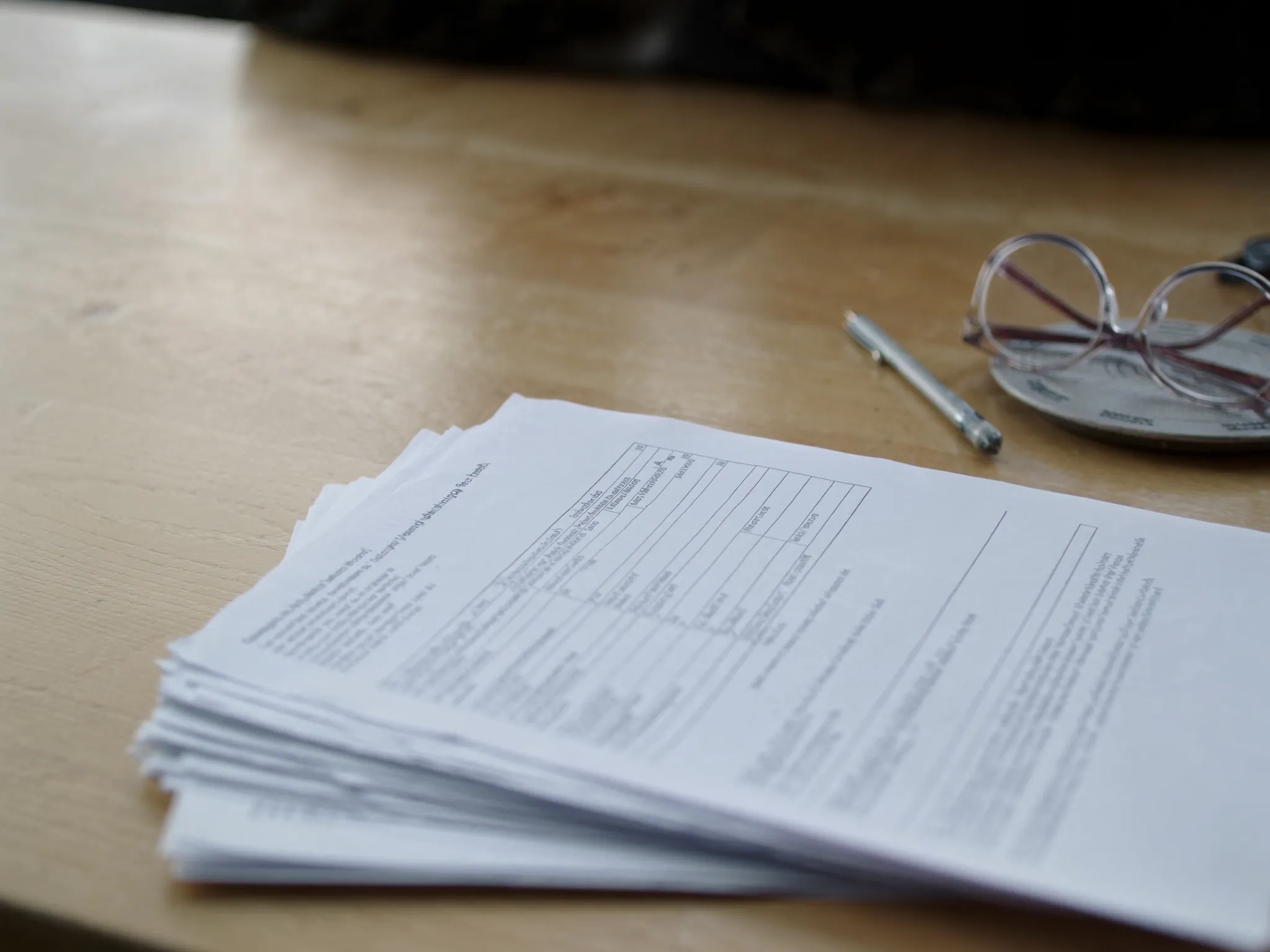
Pre-qualification is a lender’s estimate based on what you tell them. Pre-approval is a verified commitment based on documents the lender reviewed. In Utah’s market, sellers will not seriously consider offers without a pre-approval letter — and the strength of that letter directly affects whether your offer wins.
What pre-qualification actually means
A pre-qualification is a 15-minute phone call or online form. You give the lender:
- A rough income figure
- Estimated monthly debts
- A guess at your credit score
- The down payment you have available
The lender runs numbers and tells you “you’d probably qualify for around $X.” No documents reviewed. No credit pulled. Worth almost nothing to a seller because none of it is verified.
What pre-approval actually means
A pre-approval is an underwritten process. The lender collects and reviews:
- 2 years of W-2s (or 1099s if self-employed)
- 2 years of tax returns (federal personal; business returns too if self-employed)
- Last 30 days of pay stubs
- Last 2-3 months of bank and investment statements
- Photo ID
- Authorization to pull credit (hard inquiry)
The lender then issues a written letter stating you are approved up to a specific dollar amount, contingent only on the property appraising and you not changing your financial picture before closing.
Why this distinction matters in Utah
Salt Lake Valley homes sit on the market a median of 36 days in 2026 — and the best homes in Sandy, Holladay, and Draper still receive multiple offers within the first weekend. When a listing agent presents offers to a seller, they screen for financing strength first. Without a pre-approval letter, your offer goes in the “skip” pile.
Some Utah listing agents and sellers go further:
- Underwritten pre-approval (TBD approval) — a step beyond standard pre-approval where the file is already cleared by an underwriter, leaving only the property review. This is the strongest letter a non-cash buyer can bring.
- Local lender preference — many Utah sellers strongly prefer offers backed by lenders they know will close on time. Out-of-state online lenders often lose offers for this reason alone.
When to get pre-approved
Start the process before you tour homes. Three reasons:
- You’ll know your real budget — including taxes, insurance, and PMI — not just what Zillow’s calculator guesses.
- You can act fast when you find the right home. Pre-approved buyers can write offers in hours, not days.
- You’ll know which loan program fits you best. A buyer who finds out at offer-time that they don’t qualify conventional and need FHA loses days of negotiation.
Our first-time buyer guide for Utah walks through the full sequence from pre-approval to closing.
What weakens a pre-approval letter
Once issued, your letter can be weakened by:
- Changing jobs (especially from W-2 to 1099, or any pay structure change)
- Opening new credit cards or financing a car
- Large unexplained deposits in your bank account
- Late payments on any debt
Keep your financial picture frozen between pre-approval and closing. Even moving money between your own accounts can require explanation letters that delay closing.
What to do next
If you’re 30-90 days from making offers, the right move is pre-approval with two lenders so you can compare rates and fees. Reach out to our team for the short list of local Salt Lake Valley lenders who issue strong, fast pre-approvals and close on time.
A pre-approval letter isn’t a formality — in Utah’s market, it’s the difference between offers that get read and offers that get ignored.
Common Questions
What is the difference between pre-qualified and pre-approved?
Pre-qualification is a conversation: the lender asks about income, debt, and credit, then estimates what you might borrow. Pre-approval is a process: the lender reviews tax returns, pay stubs, bank statements, and pulls your credit, then issues a written commitment up to a specific dollar amount.
How long does a Utah pre-approval take?
Most Utah lenders issue a pre-approval letter within 1-3 business days after receiving all required documents. Some online lenders can issue same-day if your documents are ready.
How long is a pre-approval letter good for?
90 days in most cases. After that, lenders need updated pay stubs and bank statements to refresh. Credit reports also need to be re-pulled if more than 120 days old.
Can a Utah seller see how much I'm approved for?
Only if you choose to share it. Most buyer agents ask the lender to issue a letter matching the offer amount, not the maximum approval — so sellers see only what's relevant.
Will getting pre-approved hurt my credit score?
A pre-approval requires a hard credit pull, which can drop your score 5-10 points temporarily. Multiple mortgage pulls within a 45-day window are treated as a single inquiry, so shopping lenders is safe.
Questions About the Salt Lake Market?
RLTY UT knows Salt Lake Valley neighborhoods inside and out. Let's talk about your situation.