
Specialty Loans
Buying a Multi-Generational Home in Utah: ADU and Casita Rules Explained
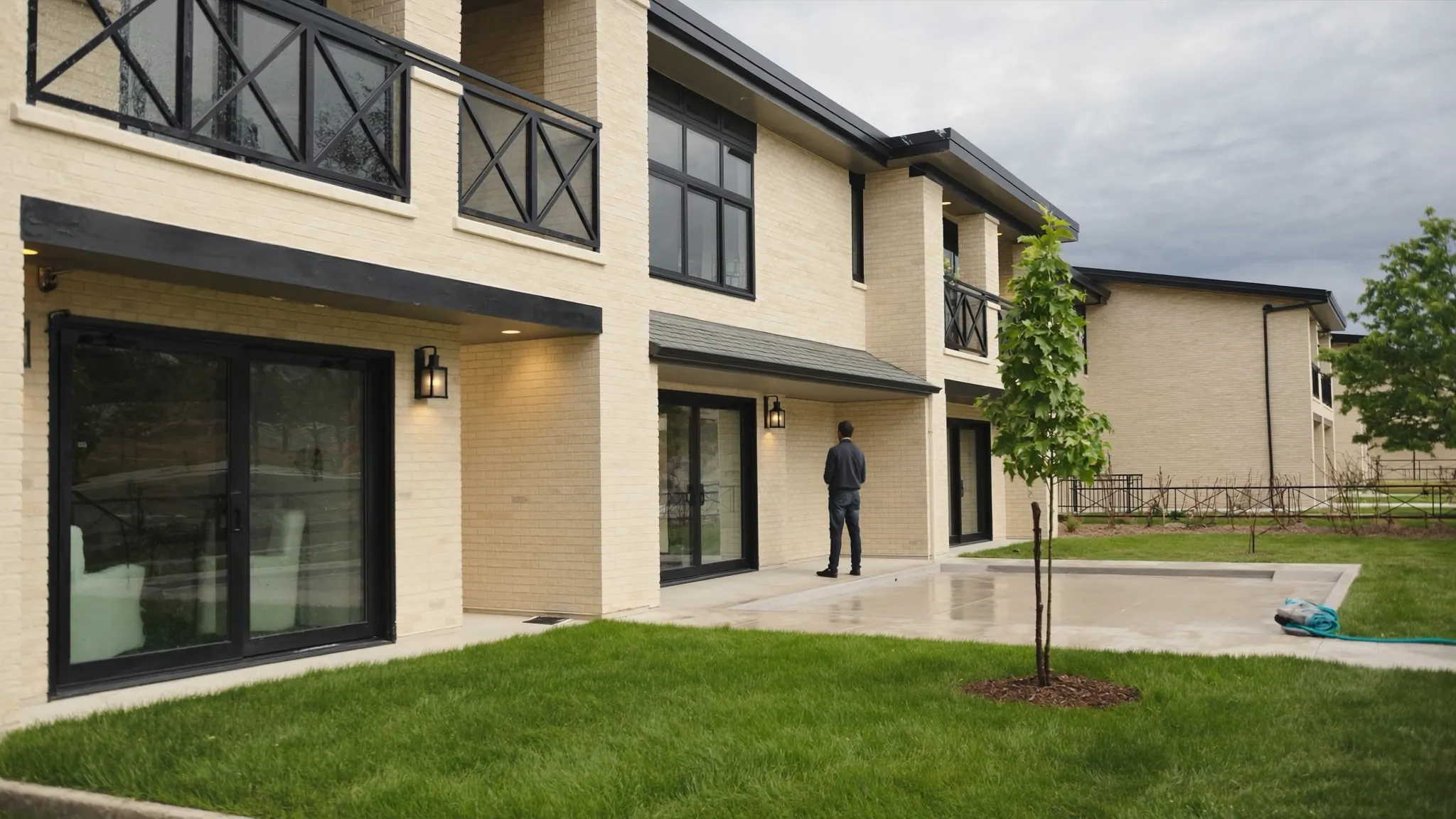
Multi-generational living is one of the fastest-growing housing demands in Utah, driven by aging parents, adult children returning home, and remote work flexibility. Utah’s 2021 ADU legislation (HB 82) requires most cities to allow internal accessory dwelling units in single-family zones, but external casitas, separate-entry mother-in-law suites, and rental usage face more variable rules. Buyers seeking multi-generational homes in Utah have more options than ever — if they understand which rules apply to which property.
What Utah HB 82 actually does
Utah’s 2021 ADU law requires most cities to allow internal ADUs in single-family zoned areas. An internal ADU is a separate living unit within an existing home — typically a basement apartment, attached unit with separate entry, or interior space converted to independent living.
Key requirements:
- Owner must occupy the primary residence or the ADU
- The home cannot have other rental units (typically one ADU per primary home)
- ADU must meet building code (separate entrance, kitchen, bathroom)
- Most cities cannot require additional parking beyond standard requirements
Where HB 82 applies
Most Utah cities follow HB 82. Some have additional restrictions:
- Salt Lake City — allows both internal and external ADUs with permits
- Murray, South Salt Lake — generally permissive
- Most of unincorporated Salt Lake County — follows state law
- Provo, Orem — internal ADUs allowed with conditions
- Bountiful, Layton, other Davis County cities — variable, most allow internal ADUs
Where rules are stricter
Some cities have layered additional requirements:
- Minimum lot size requirements
- Owner-occupancy requirements (stricter than state law)
- Permit fees
- Limits on rental to non-family members
External ADUs vs internal ADUs
The distinction matters significantly:
Internal ADUs (mother-in-law suites)
- Within the existing primary structure
- Easier to permit under HB 82
- Lower construction cost ($25K-$75K typical)
- Less impact on neighborhood character
External ADUs (casitas, detached units)
- Separate from primary structure (typically detached buildings)
- Subject to additional zoning requirements
- Higher construction cost ($150K-$350K typical)
- More variable city-by-city rules
- May require larger lot size, additional setbacks
When buying a home with an existing external ADU, verify the structure was legally permitted. Unpermitted “she-sheds” and “guest houses” that have been used as living units may not be legal — and may need to be removed or brought into code.
How lenders treat ADUs in financing
ADUs can affect your mortgage qualifications in helpful ways:
Rental income from existing ADU
Some lenders count actual or projected rental income from a legal ADU as qualifying income for your mortgage. The treatment varies:
- FHA: Can count up to 75% of projected fair market rent
- Conventional (Fannie Mae): Similar 75% counting if ADU is legal
- VA: Less common but some lenders allow
This can substantially improve buyer purchasing power. A $1,500/month ADU rent counts as $1,125/month additional income for DTI calculation, supporting roughly $200,000 more in home price.
Mortgage limits
Standard single-family loan programs apply (no special multifamily classification). Loan limits are based on conforming or jumbo thresholds.
Appraisal considerations
- Legal ADUs add appraised value
- Illegal or unpermitted “ADUs” don’t add value and may be flagged as code issues
What buyers should verify before offering
Five non-negotiable checks for multi-generational homes:
1. Existing ADU legality
Get permit records from the city. An unpermitted unit may need removal or major rework.
2. Current zoning allows ADU use
Confirm with city planning department, not just real estate listings. Listing language doesn’t override actual zoning.
3. Separate utilities or sub-metering
For long-term multi-generational livability, separate or sub-metered utilities are valuable. Verify what exists.
4. Code compliance
Modern fire separation, egress windows, smoke detectors. Old “finished basements” may not meet current code as separate living units.
5. Owner-occupancy and rental rules
If you plan to rent the ADU, confirm city rules allow it. Some cities require owner-occupancy of one unit.
Best Utah neighborhoods for multi-generational homes
Several patterns identify ADU-friendly areas:
Salt Lake City and inner suburbs
- Older established neighborhoods (Sugar House, Harvard-Yale, Avenues)
- Many existing legal basement apartments
- Generally permissive ADU rules
Larger lots in suburban areas
- Holladay, Cottonwood Heights, Sandy bench
- Lot sizes that accommodate external casitas
- Established neighborhoods with mature trees
Newer master-planned communities (selective)
- Some Daybreak phases allow casitas
- Some Saratoga Springs developments
- Check HOA rules in addition to city rules
Areas to research carefully
- HOA-restricted communities (may prohibit even legally allowed ADUs)
- Older mobile home parks (different zoning entirely)
- Properties with “non-conforming use” status (legal but restricted on modification)
Tax implications
Multi-generational homes with ADUs have nuanced tax treatment:
Property tax
The home is typically assessed as a single property at residential rates. Adding a legal ADU usually increases assessed value modestly.
Income tax
- ADU rental income is reportable income on Schedule E
- Expenses (mortgage interest portion, depreciation, repairs) are deductible
- Owner-occupied family use generally isn’t taxable income
Capital gains exclusion
Section 121 exclusion ($250K/$500K) applies to your primary residence portion. The ADU portion, if rented, has more complex treatment when sold.
Common buyer mistakes
Three patterns we see:
Trusting listing language over verification
“Mother-in-law suite” in a listing doesn’t mean it’s legal. Verify with city records.
Underestimating renovation costs
“This basement could easily be converted to an ADU” usually costs $40K-$80K minimum.
Ignoring HOA rules
Even where city rules allow ADUs, HOAs may restrict them. Read HOA CC&Rs carefully.
What to do next
If you’re considering a multi-generational home in Utah, three immediate steps:
- Identify your specific needs — parent care, adult child, occasional guests, rental income
- Research target cities’ ADU rules — they vary significantly
- Get pre-approved with a lender experienced in ADU rental income treatment
Reach out to our team for guidance on multi-generational homes in your target area. We work with this buyer type regularly and know which properties have legal, code-compliant ADU setups versus which require additional work.
Search Utah homes for sale and filter for properties with basement apartments or accessory units.
Multi-generational living works well in Utah — when buyers do the homework. The rules vary, but the options are real. The right property in the right neighborhood serves multiple generations and often pays for itself through rental income or shared family expenses.
Questions About the Salt Lake Market?
RLTY UT knows Salt Lake Valley neighborhoods inside and out. Let's talk about your situation.